


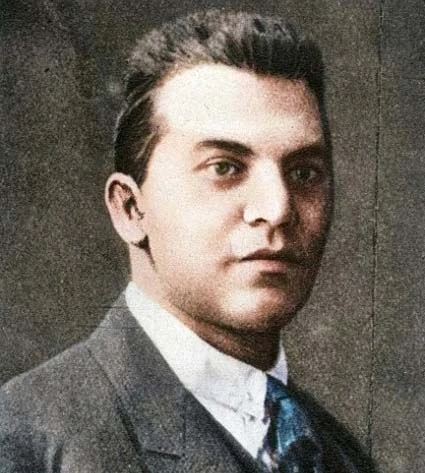
According to Reti, the mechanical and senseless imposition of problem-like rules greatly hindered the development of etude composition.
What may be considered normal for chess problems cannot be transferred to etudes, as etudes are much closer to practical play.
What may be considered normal for chess problems cannot be transferred to etudes, as etudes are much closer to practical play.
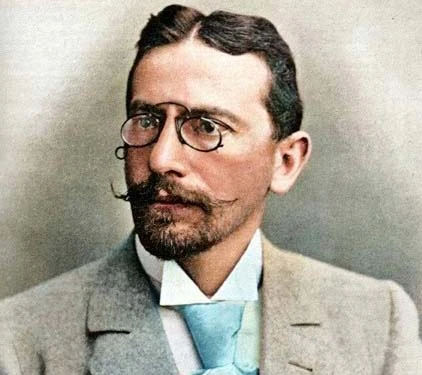
At the age of 15, he learned how the pieces moved and-as usual-he made rapid progress in chess.
For a few years, it pushed everything else out of his life.
It seems that every chess master goes through a period of maturation in his life when the checkered board becomes more important than food.
In Tarrasch's case, his complete absorption in chess ended because of the love that followed.
For a few years, it pushed everything else out of his life.
It seems that every chess master goes through a period of maturation in his life when the checkered board becomes more important than food.
In Tarrasch's case, his complete absorption in chess ended because of the love that followed.
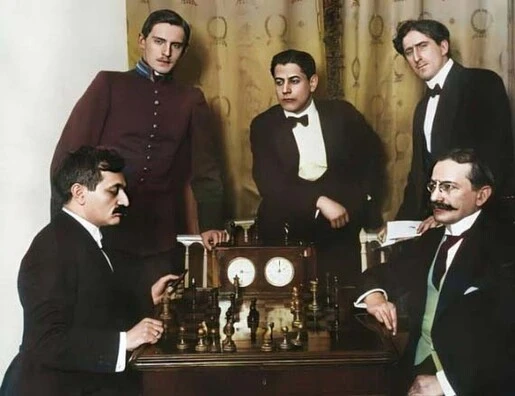
Lasker is a representative of the will in the art of chess, which for him is primarily a struggle.
...
If before him the positional game triumphed, where the player went from position to position, avoiding weak points and trying to create them for the opponent, then Capablanca canceled all this and introduced dynamics.
...
The essence of the coup made by Alekhine is that for the first time he began to build the game from Black's point of view.
...
If before him the positional game triumphed, where the player went from position to position, avoiding weak points and trying to create them for the opponent, then Capablanca canceled all this and introduced dynamics.
...
The essence of the coup made by Alekhine is that for the first time he began to build the game from Black's point of view.
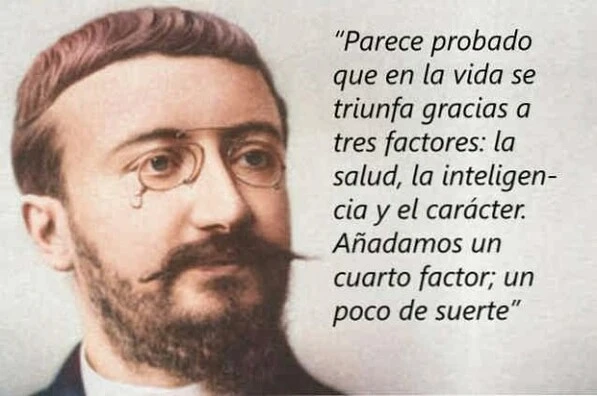
One of Binet's first psychological studies focused on chess.
His goal was to learn about the cognitive abilities of chess players.
According to his hypothesis, the ability to play chess was determined by a certain phenomenological quality: visual memory.
His goal was to learn about the cognitive abilities of chess players.
According to his hypothesis, the ability to play chess was determined by a certain phenomenological quality: visual memory.
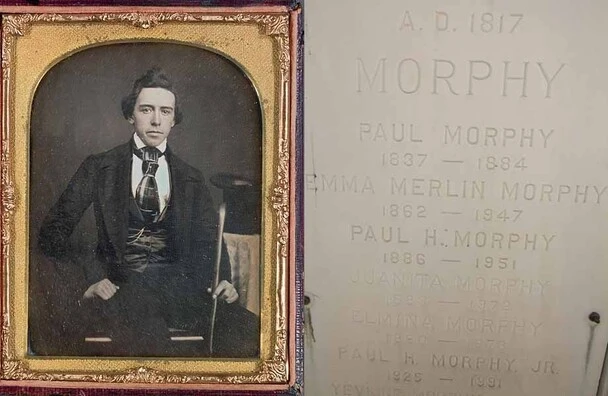
Chess should never be anything other than simple entertainment. It should remain just a game that can be used to refresh your mind after serious professional work.
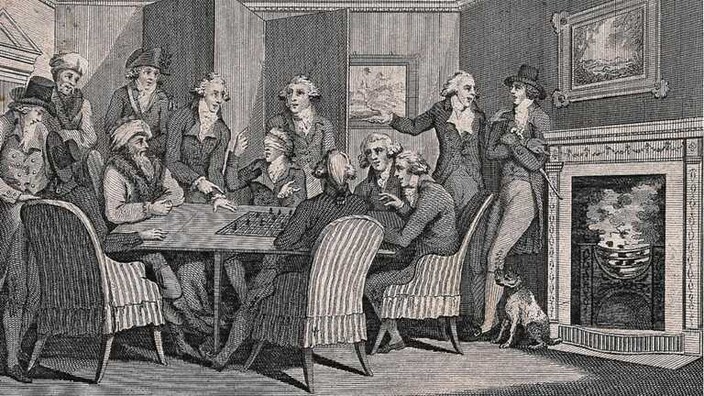
In his understanding of the chess game, Fillidor was decades ahead of his contemporaries.
Bent Larsen, the best Scandinavian chess player before Magnus Carlsen.
Bent Larsen, the best Scandinavian chess player before Magnus Carlsen.
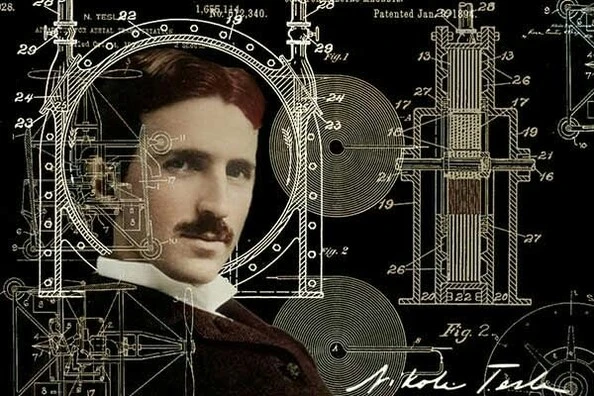
Nikola Tesla himself attributed this to his particularly developed imagination: he could so vividly imagine the operation of the next device right up to the wear and tear of individual parts that he did not need any calculations or experimental tests.
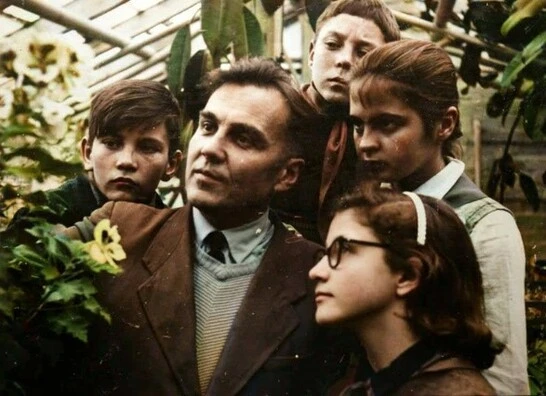
V.O. Sukhomlynsky foresaw that the more knowledge children would need to learn, the more the teacher would need to take into account the nature of the child's body during the period of growth, development, and formation of the individual.