


Thus, we come to the conclusion that the Etude is, first of all, not a typical endgame.
The more noticeable its differences from purely theoretical endings, the more prominently it represents its specific genre, the stronger and deeper it is connected with the game, because the more fruitful the influence of the etude on the development of the combination talent of any chess player.
The more noticeable its differences from purely theoretical endings, the more prominently it represents its specific genre, the stronger and deeper it is connected with the game, because the more fruitful the influence of the etude on the development of the combination talent of any chess player.
But among the feelings that accompany chess thought, there is one that is undoubtedly the strongest and deepest - the feeling of beauty.
The beauty of a thought, which conceals a victorious force in its beauty, acts on our imagination extremely strongly and evokes a lively reaction.
This feeling triumphs even over sports excitement.
The beauty of a thought, which conceals a victorious force in its beauty, acts on our imagination extremely strongly and evokes a lively reaction.
This feeling triumphs even over sports excitement.
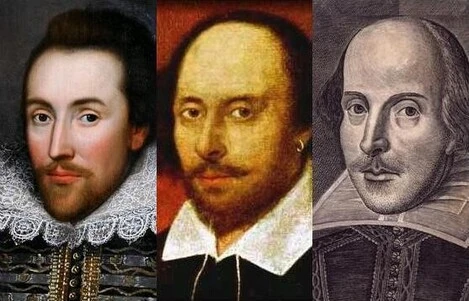
Shakespeare holds a bishop in his hand, with which he takes his opponent's queen and checkmates White.
The meaning of the painting is "Shakespeare checkmates Ben Jonson". Yes, this is exactly what happened in 1602-1603.
Johnson's drama Roman Tragedy was a fiasco, and Shakespeare was at the height of his fame.
The meaning of the painting is "Shakespeare checkmates Ben Jonson". Yes, this is exactly what happened in 1602-1603.
Johnson's drama Roman Tragedy was a fiasco, and Shakespeare was at the height of his fame.