


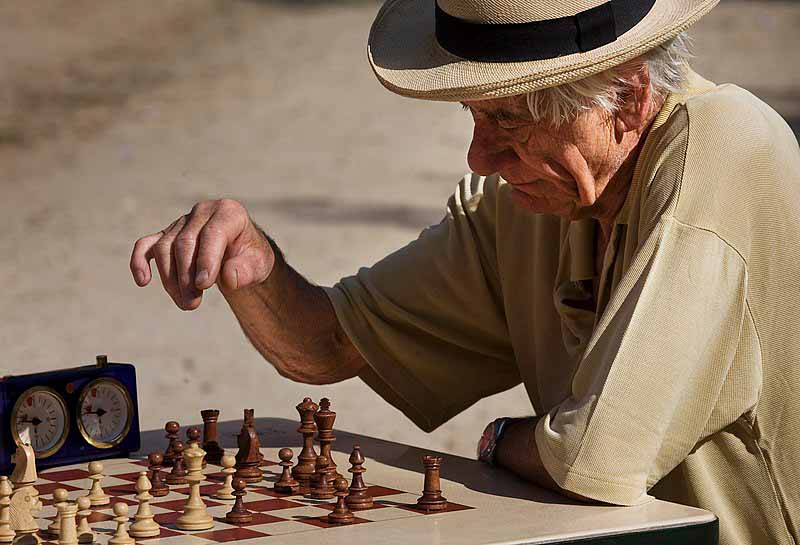
Everyone agrees that a combination is the highest expression of beauty in chess.
Tartakovsky once described it as "...the possibility of the impossible. It is a divine spark that... illuminates a chess game like a meteor."
"We call chess an art," wrote O. Kotov, "primarily because it has the beauty of combinations that brings aesthetic pleasure to every true chess lover.
Tartakovsky once described it as "...the possibility of the impossible. It is a divine spark that... illuminates a chess game like a meteor."
"We call chess an art," wrote O. Kotov, "primarily because it has the beauty of combinations that brings aesthetic pleasure to every true chess lover.
As you can see, a coordinated system of connections also arises when a pawn is transformed into a queen.
It consists of one active link (the threat of transformation) and the sum of the limiting links of both sides equal to zero.
And all these links are coordinated with respect to the transformation field.
So, our conclusion is correct: to win in chess, you need to achieve a coordinated combination of connections.
It consists of one active link (the threat of transformation) and the sum of the limiting links of both sides equal to zero.
And all these links are coordinated with respect to the transformation field.
So, our conclusion is correct: to win in chess, you need to achieve a coordinated combination of connections.
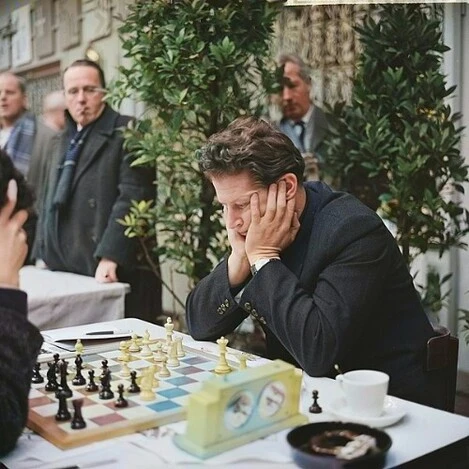
This combination of pieces and pawns, which, under certain permutations, allows one of the partners to forcefully turn it to his advantage, is already a combination.
However, such a definition, without reflecting subsequent transformations, is static; it emphasizes the initial position in which future and often unexpected (at least for one of the opponents) events can be hidden and not visible to the "naked" eye.
However, such a definition, without reflecting subsequent transformations, is static; it emphasizes the initial position in which future and often unexpected (at least for one of the opponents) events can be hidden and not visible to the "naked" eye.
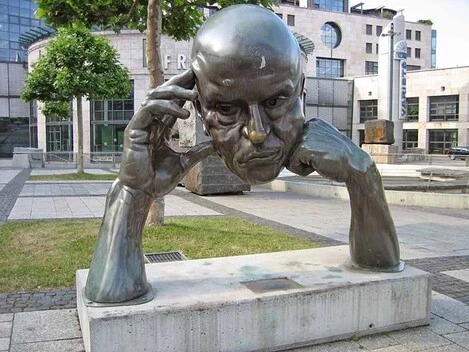
According to some psychologists, Shannon wrote, the thinking process is essentially characterized by the following stages:
- various possible solutions to a problem are tested mentally or symbolically without actual reproduction;
- the best solution is chosen by a mental evaluation of the results of these experiments;
- then the solution found in this way is implemented.
It should be noted that this is an almost exact description of how a machine acts when playing chess, if we replace the word "mentally" with "inside the machine".
- various possible solutions to a problem are tested mentally or symbolically without actual reproduction;
- the best solution is chosen by a mental evaluation of the results of these experiments;
- then the solution found in this way is implemented.
It should be noted that this is an almost exact description of how a machine acts when playing chess, if we replace the word "mentally" with "inside the machine".
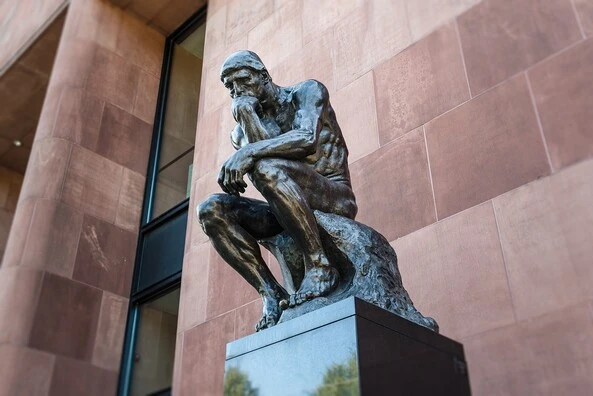
For example, in their answers to the questionnaire, some masters claimed that when they play without looking at the board, they can see the entire chessboard with all the squares and pieces placed on the corresponding squares in their mind's eye.
To test this statement, Binet conducted an experiment in which masters were asked at random about the color of a particular square on the board (i.e., white or black).
It turned out that most of the masters could not answer this question immediately, without thinking about it.
To test this statement, Binet conducted an experiment in which masters were asked at random about the color of a particular square on the board (i.e., white or black).
It turned out that most of the masters could not answer this question immediately, without thinking about it.
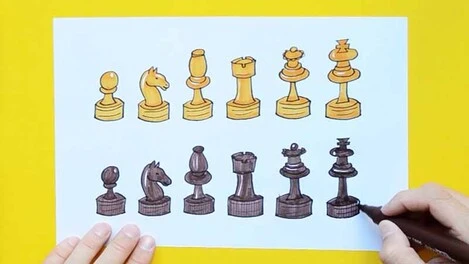
Chess pieces are distinct personalities.
Each of them has its own character, its own horizon, its own gait, its own rhythm and pace of life, its own attitude to its surrounding reality.
Some are straightforward, others are ornate; some are myopic, others are farsighted; some are fully formed characters, others with the prospect of development, growth, and qualitative rebirth (pawns).
Each of them has its own character, its own horizon, its own gait, its own rhythm and pace of life, its own attitude to its surrounding reality.
Some are straightforward, others are ornate; some are myopic, others are farsighted; some are fully formed characters, others with the prospect of development, growth, and qualitative rebirth (pawns).

Games change, ideas remain.
It is possible to classify chess ideas by their types, genera and species.
Establishing this classification will clarify the art of chess and help its study.
It is possible to classify chess ideas by their types, genera and species.
Establishing this classification will clarify the art of chess and help its study.
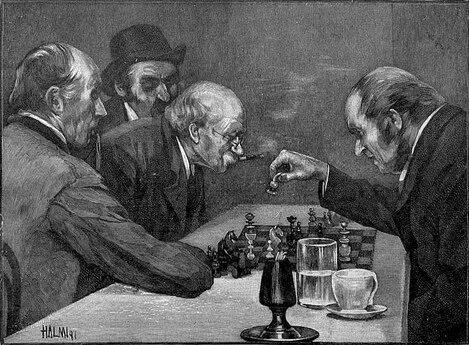
Having studied a huge number of different games played during my long chess career, I have identified several types of mistakes that recur over and over again.
All these mistakes have a psychological basis.
Familiarity with them is interesting both from the point of view of an in-depth study of chess creativity and from a practical point of view.
All these mistakes have a psychological basis.
Familiarity with them is interesting both from the point of view of an in-depth study of chess creativity and from a practical point of view.
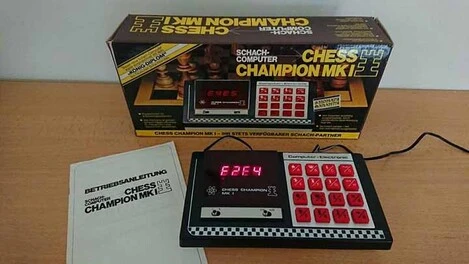
So how does heuristics differ from the traditional psychology of thinking?
The new thing is that, having made the thinking of a chess player the main object of its research, heuristics not only learns the patterns of productive thinking, but also develops methods of machine and mathematical modeling of the human way of solving complex problems.
Two scientific fields are intertwined in heuristics: programmers draw information from experimental psychology, while psychologists test their hypotheses on program models.
The new thing is that, having made the thinking of a chess player the main object of its research, heuristics not only learns the patterns of productive thinking, but also develops methods of machine and mathematical modeling of the human way of solving complex problems.
Two scientific fields are intertwined in heuristics: programmers draw information from experimental psychology, while psychologists test their hypotheses on program models.
An engineer designing a complex structure, an investigator trying to solve a complicated crime, a doctor making a diagnosis in difficult cases - these and many other situations require not only knowledge but also imagination and creative ingenuity.
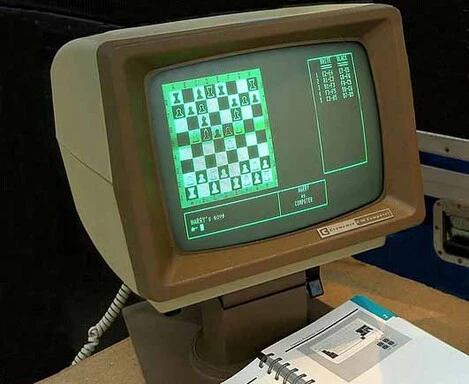
For machines to be able to solve complex problems, it is important to comprehensively model human information processing and, in particular, the thinking processes of a chess player on a computer.
For machines to be able to solve complex problems, it is important to comprehensively model human information processing and, in particular, the thinking processes of a chess player on a computer.