


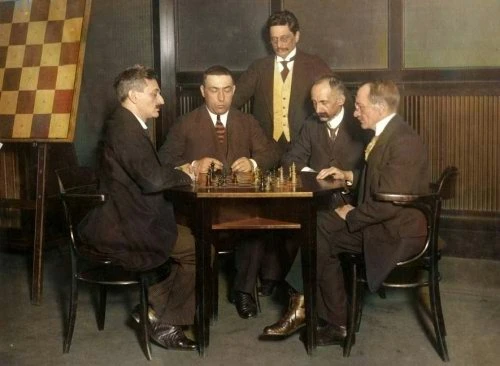
Em. Lasker was the first of the great chess players to realize the importance of studying the personality of opponents in chess.
Em. Lasker repeatedly pointed out that "people fight on chessboards, not wooden pieces".
Em. Lasker repeatedly pointed out that "people fight on chessboards, not wooden pieces".
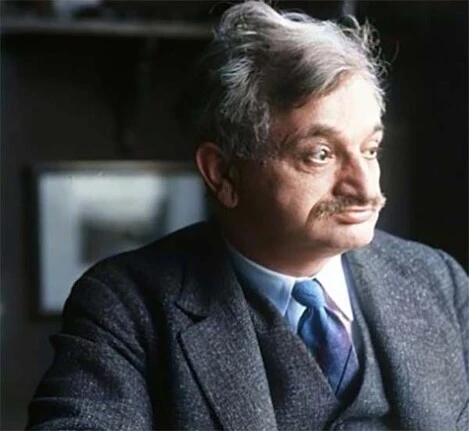
Neither Capablanca nor Alekhine play by the template.
Their originality is so pronounced that the chessboard with its 64 limited squares seems too narrow for them.
The unknown does not scare them, and both are ready to test their strength in it if it appears interesting to them.
Both seek new paths, aiming to find something strong and life-affirming.
Their originality is so pronounced that the chessboard with its 64 limited squares seems too narrow for them.
The unknown does not scare them, and both are ready to test their strength in it if it appears interesting to them.
Both seek new paths, aiming to find something strong and life-affirming.
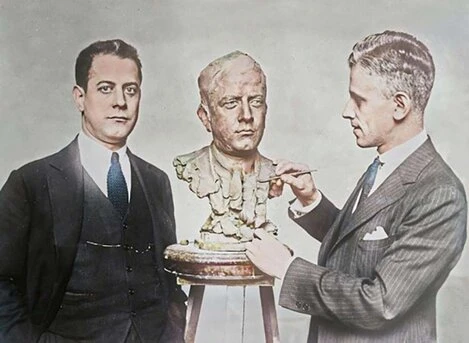
The majority of enthusiasts only look at the results; their judgments are based solely or almost solely on the champion's successes.
However, a minority (the true connoisseurs of chess, mainly other masters) delve deeper into the matter and form their judgments under the influence of numerous factors unrelated to the fact of winning or losing.
Although there are many aspects to consider, the opinion of true connoisseurs is generally based on three factors:
Depth, Combinative Gift, and Style.
However, a minority (the true connoisseurs of chess, mainly other masters) delve deeper into the matter and form their judgments under the influence of numerous factors unrelated to the fact of winning or losing.
Although there are many aspects to consider, the opinion of true connoisseurs is generally based on three factors:
Depth, Combinative Gift, and Style.
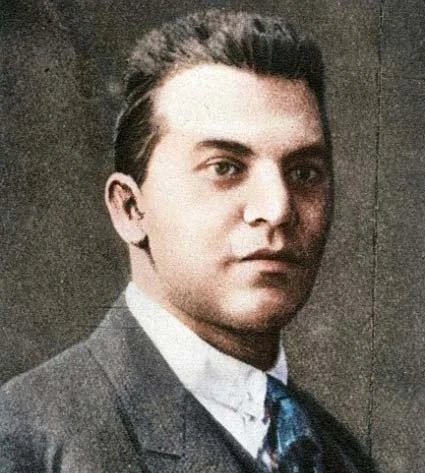
According to Reti, the mechanical and senseless imposition of problem-like rules greatly hindered the development of etude composition.
What may be considered normal for chess problems cannot be transferred to etudes, as etudes are much closer to practical play.
What may be considered normal for chess problems cannot be transferred to etudes, as etudes are much closer to practical play.
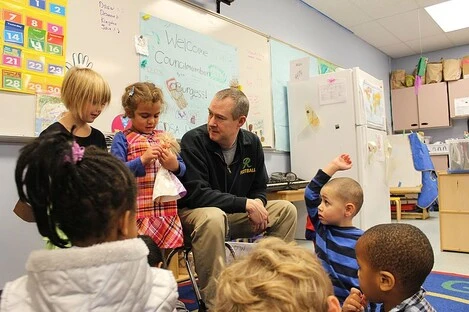
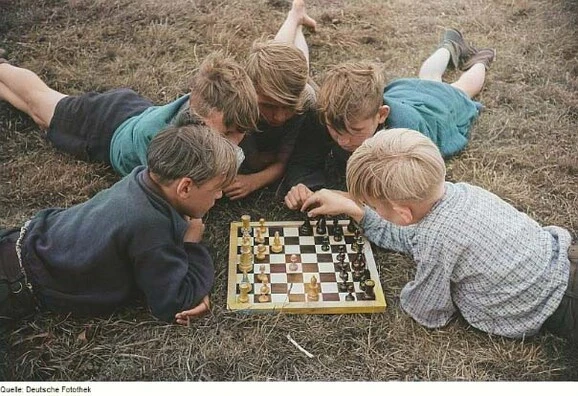
By teaching a child to play chess, in addition to a specific goal, we achieve a more significant result - the child develops the ability to act in the mind.
In the game of chess, a natural transition is made from actions with objects, chess pieces, and their movement to actions with ideas about these objects, i.e., in the internal plane.
The newly formed ability, as shown by numerous studies, is transferred to other areas of the child's activity.
In the game of chess, a natural transition is made from actions with objects, chess pieces, and their movement to actions with ideas about these objects, i.e., in the internal plane.
The newly formed ability, as shown by numerous studies, is transferred to other areas of the child's activity.
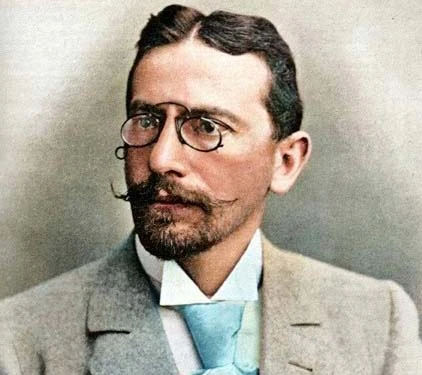
At the age of 15, he learned how the pieces moved and-as usual-he made rapid progress in chess.
For a few years, it pushed everything else out of his life.
It seems that every chess master goes through a period of maturation in his life when the checkered board becomes more important than food.
In Tarrasch's case, his complete absorption in chess ended because of the love that followed.
For a few years, it pushed everything else out of his life.
It seems that every chess master goes through a period of maturation in his life when the checkered board becomes more important than food.
In Tarrasch's case, his complete absorption in chess ended because of the love that followed.
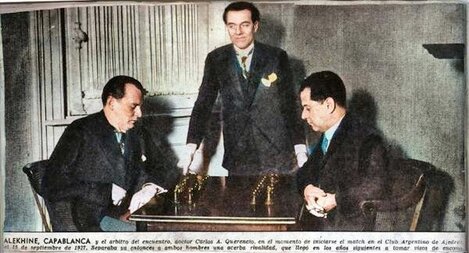
I am convinced that someone who, as a champion, creates difficult conditions for his competitor and who, immediately after losing his title, seeks to replace these conditions with others that make it easier for the person calling the match and introduce an element of chance, will not be sympathetic in the sports world.
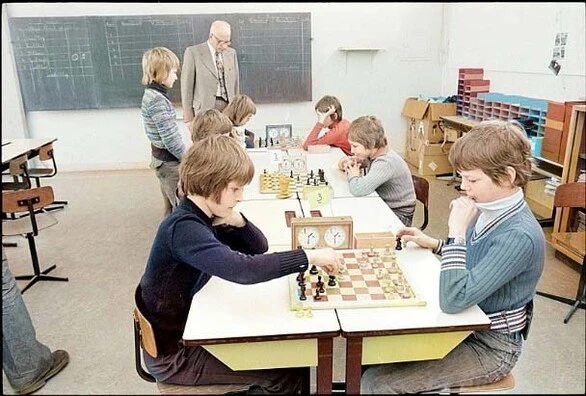
What is chess at school?
1. Chess in the form of lessons is a means of expanding the general mental outlook of students, which contributes to a deeper and faster learning of school knowledge.
2. Chess lessons contribute to general educational work.
1. Chess in the form of lessons is a means of expanding the general mental outlook of students, which contributes to a deeper and faster learning of school knowledge.
2. Chess lessons contribute to general educational work.
Discoveries do not happen on the beaten path.
Creativity is hard work, requiring a person to exert maximum mental and intellectual energy, and it does not guarantee success, fame, or money.
Creativity is hard work, requiring a person to exert maximum mental and intellectual energy, and it does not guarantee success, fame, or money.
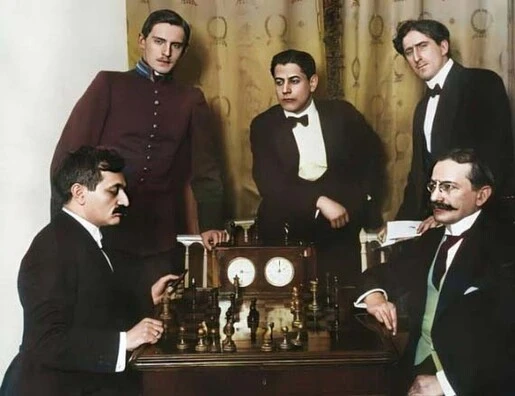
Lasker is a representative of the will in the art of chess, which for him is primarily a struggle.
...
If before him the positional game triumphed, where the player went from position to position, avoiding weak points and trying to create them for the opponent, then Capablanca canceled all this and introduced dynamics.
...
The essence of the coup made by Alekhine is that for the first time he began to build the game from Black's point of view.
...
If before him the positional game triumphed, where the player went from position to position, avoiding weak points and trying to create them for the opponent, then Capablanca canceled all this and introduced dynamics.
...
The essence of the coup made by Alekhine is that for the first time he began to build the game from Black's point of view.